
Brand Identity Design: The Ultimate Guide to Getting Noticed (2026)
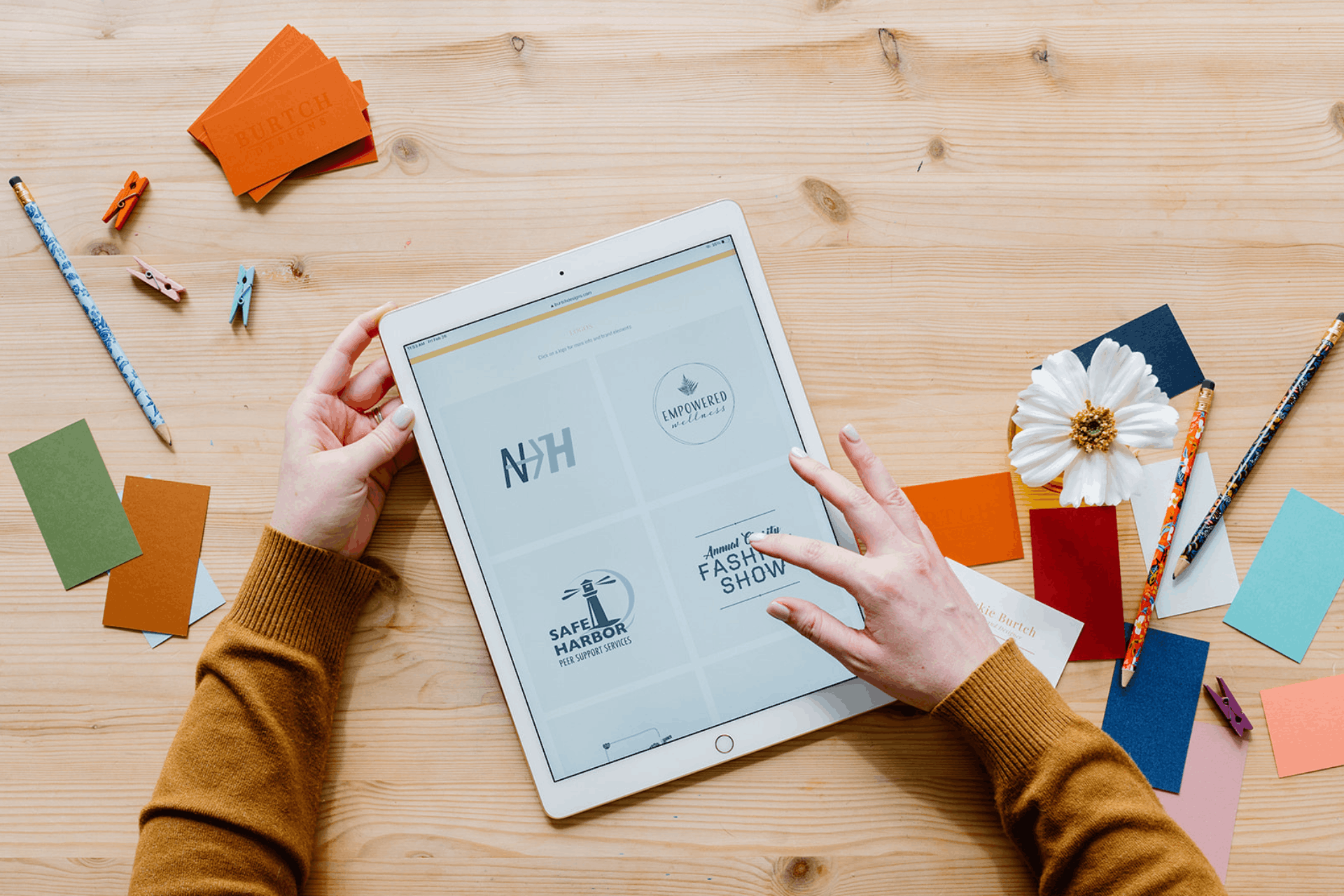
Your work is strong, your client list is growing, and so is your business. But when someone lands on your website or scrolls past your social media, your brand still feels pieced together at best, and completely disconnected at worst.
Strong brand identity design closes that gap. In this guide, you’ll learn what brand identity design includes, why it matters, and how the right visual system helps your business look polished, memorable, and trustworthy from the very first impression.
What Is Brand Identity Design?
Brand identity design is the visual system that shapes how people recognize and experience your business. It includes your logo, colors, typography, imagery, messaging style, website, and the overall look and feel people associate with your brand.
In simple terms, brand identity design is how your business shows up before you ever say a word.
Why Brand Identity Matters More Than Ever

Brand identity matters more than ever because your audience uses it to decide what feels credible, memorable, and worth their attention before they ever reach out.
First Impressions Happen Fast
People make quick decisions online. Sometimes unfairly quick. Blink, click, gone. Your brand identity shapes that first impression before someone reads a full sentence. It tells people whether your business feels elevated, approachable, creative, trustworthy, bold, calm, or completely unclear.
Trust Is Built Visually First
Before someone hires you, they’re looking for signals that you’re credible. Design sends those signals fast. A polished brand identity says, “There’s intention here.” An inconsistent one says, “Something feels off,” even when your work is excellent. That disconnect matters because people trust what feels clear.
Generic Brands Get Overlooked
In a crowded market, looking “nice” isn’t enough. Nice is everywhere. Generic business branding makes you easier to overlook. Strategic brand identity design gives people something to remember. It creates the visual thread that makes your business stand out without needing to shout.
What Brand Identity Design Actually Does
The purpose of strong brand identity design is strategic communication. It builds recognition, creates trust, looks established, attracts the right audience, and supports long-term growth. That’s a lot of heavy lifting for something people often reduce to “just a logo.”
Your brand identity should make your business feel clear from every angle. When someone lands on your website, receives your proposal, or checks your social media, the experience should feel connected. That cohesion makes your brand easier to remember and trust.
What Brand Identity Design Includes
A strong brand identity is built from several connected pieces that feel polished everywhere people find you.
#1: Logo Design
Your logo is the most recognizable element of your brand identity, but it should never carry the brand on its own.
A strong logo feels aligned with your personality, positioning, and audience. It works across your website, social profiles, print pieces, proposals, signage, and all the tiny places your brand needs to show up without falling apart.
#2: Color Palette
Color shapes feelings fast. It makes your business feel grounded, playful, refined, warm, bold, or trustworthy in a single glance.
A strategic color palette does more than look pretty. It supports your positioning and helps your audience feel the way you want them to feel when they interact with your brand.
#3: Typography
Fonts have personality. Some feel elegant. Some feel playful. Some feel modern, editorial, soft, bold, or completely chaotic.
Typography gives your brand identity structure and rhythm. Used well, it makes your website easier to read and your brand easier to recognize. Used inconsistently, it makes even a beautiful visual identity design feel messy.
#4: Brand Voice & Messaging
Your brand identity is not only visual. The words matter too.
Brand voice and messaging define how your business sounds and how it connects with your audience. The visuals draw people in, but the messaging shows them why they should stay.
#5: Photography & Visual Direction
Photography, graphics, icons, textures, and visual direction all shape how your brand feels in the real world.
This is where brand design creates an atmosphere. Are your images bright and energetic? Soft and editorial? Clean and minimal? Warm and grounded? Every visual choice adds another layer to the story.
#6: Website & Digital Presence
Your website is where your brand identity has to perform, not just sit there looking pretty.
A strong website brings your logo, colors, fonts, messaging, photography, and strategy together into a cohesive experience. It should feel polished, easy to navigate, and unmistakably aligned with the business behind it.
#7: Brand Guidelines
Brand management keeps your brand from drifting into chaos. They define how your logo, colors, fonts, imagery, and messaging should be used across platforms. Think of them as the rulebook that keeps your business branding consistent, even as your business grows.
What Makes a Brand Identity Work?
Understanding brand identity design helps you see how each piece works together to make your business feel clear, cohesive, and easy to recognize.
Consistency Across Every Platform
Consistency builds recognition, and recognition builds trust. When your brand feels connected across all digital and printed assets, your business feels more established. When everything looks disjointed or piecemeal, people feel the disconnect even if they can’t name it.
Strategic, Not Trend-Based Decisions
Trends are fun, but they shouldn’t be driving the bus. Effective brand identity design starts with strategy, not Pinterest panic. Your colors, typography, logo style, and visuals should support who you are, what you offer, and who you want to attract.
Alignment With Your Audience
Good brand identity feels authentic to you and attractive to your target audience. Designing only for yourself creates a brand you love that doesn’t connect. Designing only for your audience creates a brand that “performs” but doesn’t feel true. Strong brand identity design holds both.
Emotional Connection + Memorability
The best brands make people feel something. Calm, confident, energetic, excited, relieved, curious. When your brand creates a clear emotional response and repeats it consistently over time, people remember you.
How To Create A Brand Identity in 5 Steps

Wondering how to create a brand identity? The process turns scattered ideas into a clear visual system, so every design choice feels intentional instead of pieced together.
Step #1: Discovery & Strategy
Before the visuals come the questions. Who are you trying to reach? What do you want to be known for? What makes your business different? What do clients need to feel before they trust you? This is where brand identity design is crafted strategically rather than on a whim.
Step #2: Defining Brand Personality
A brand, or a rebrand, shapes how your business shows up. Maybe your brand feels refined and quietly confident. Maybe it feels warm, creative, and deeply personal. Maybe it feels bold, direct, and a little unexpected. Defining that personality gives every design decision a clearer direction.
Step #3: Visual Exploration
Visual exploration is where ideas start to take shape. Colors, fonts, logo concepts, imagery, and design direction begin working together to create a visual identity design that feels aligned. It’s the part of the process where the brand starts stepping into focus.
Step #4: Refinement & Cohesion
Good design takes editing. The strongest brand identities aren’t built by adding more and more until everything feels “designed.” They’re built by refining what matters, removing what doesn’t, and creating a system where every piece supports the same story.
Step #5: Brand Application Across Platforms
A brand identity needs to work in real life. It has to hold up on your website, Instagram, proposals, business cards, email graphics, signage, and wherever else your business shows up. A beautiful brand identity that only works in one place is just a snapshot, not a full system.
4 Brand Identity Mistakes Small Businesses Make
The most common brand identity mistakes happen when small businesses make design decisions in pieces: without a strategy or connection to the audience they want to attract.
Mistake #1: DIY Branding Without a Strategy
DIY branding makes sense when you’re just getting started. The problem happens when every decision gets made in isolation. A Canva logo here, a font you grabbed from someone else’s website there. Suddenly, your brand feels patched together instead of intentionally built.
Mistake #2: Copying Trends Instead of Building Recognition
Trends make your brand feel current for about five minutes. Then everyone else uses the same look, and your business disappears into the visual crowd. Strong brand identity design focuses on recognition, not imitation.
Mistake #3: Inconsistent Colors, Fonts, and Messaging
Inconsistency creates friction. If your website feels soft and refined, your Instagram feels loud and playful, and your emails sound stiff and corporate, people don’t get a clear read on who you are. Your brand identity should create one connected experience.
Mistake #4: Designing for You, Not Your Audience
Your personal taste matters, but it’s not the whole strategy. You may love a color or design style that doesn’t support your positioning or attract the clients you want. Strategic business branding asks a better question: what needs to happen visually for the right people to trust this brand?
DIY vs Hiring a Brand Identity Designer
Knowing when to DIY and when to hire a brand identity designer helps you make the right investment for where your business is now, and where you want it to go next.
When DIY Branding Makes Sense
DIY branding works when you’re testing an idea or not ready to invest yet. Lots of businesses start scrappy. But DIY starts to show its limits when your business grows, your audience changes, or your visual presence no longer matches the quality of your work.
When Professional Design Changes Everything
A professional brings strategy, structure, outside perspective, and visual expertise. They spot disconnects you may be too close to see and build a cohesive identity that reflects where your business is going, not just where it started.
The value of professional brand design isn’t just prettier colors or a better logo. It’s a brand identity that helps people understand your value faster and feel more confident choosing you.
How Strong Brand Identity Gets You Noticed
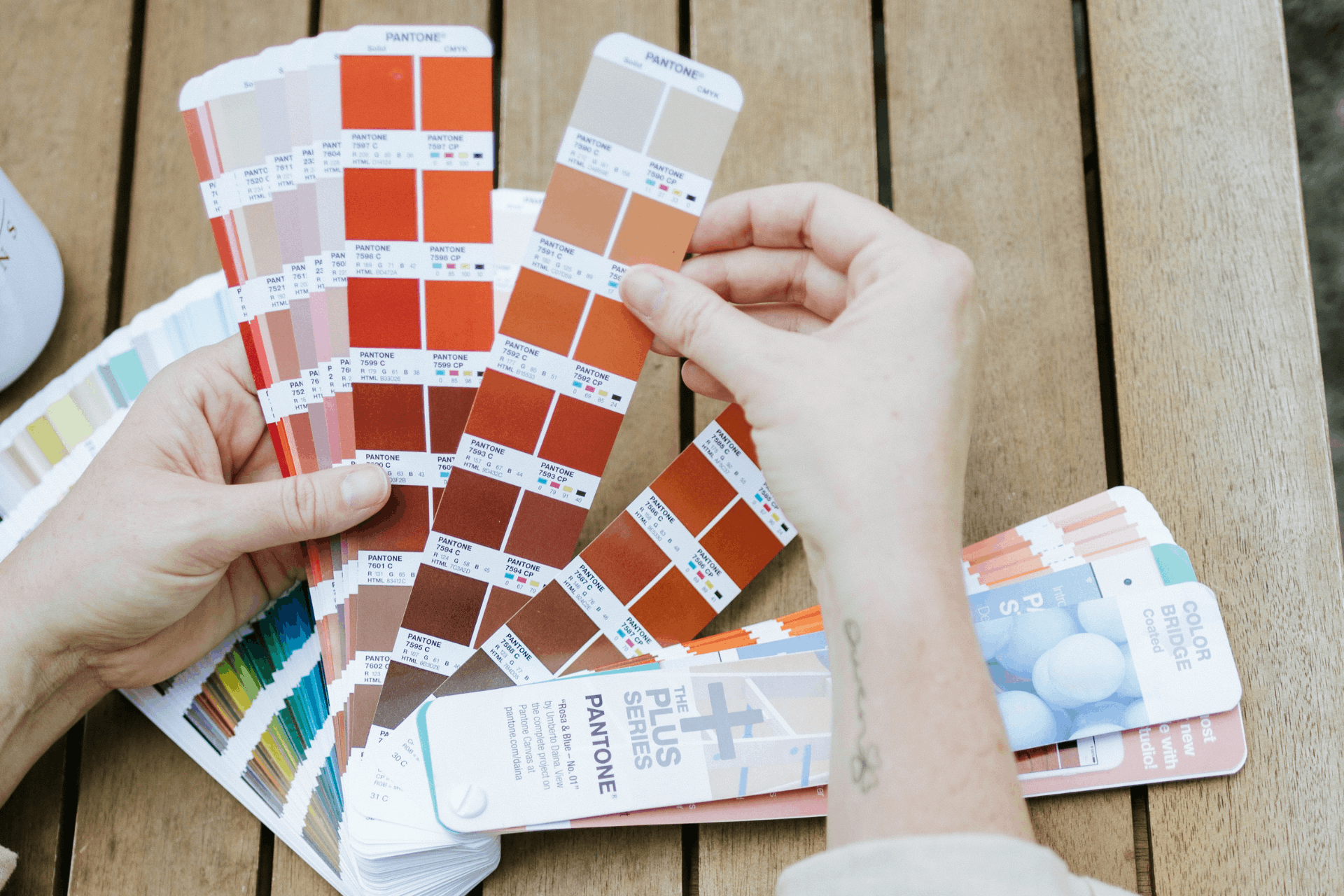
Strong brand identity design helps your business create desire, build loyalty, become more memorable, feel more trustworthy, and look more established. It creates the sense that your business is thoughtful, credible, and worth paying attention to.
That matters because getting noticed is not about being the loudest brand in the room. It’s about being the clearest, and the one people remember after they close the tab.
The Real ROI of Brand Identity Design?
The ROI of brand identity design is a business that’s easier to trust, remember, and choose.
When your brand feels polished and aligned, people understand your value faster. They tell who you are, what you offer, and whether you’re the right fit without having to piece everything together themselves.
That brand clarity leads to stronger positioning, more aligned inquiries, greater confidence in your marketing, and fewer missed opportunities from people who landed on your brand and quietly decided it didn’t feel credible enough.
Brand Identity Design Examples That Actually Work
Successful brand identity examples show why recognition is built through consistency, and how small businesses can use the same principle without needing a massive budget.
Why Coca-Cola Is Instantly Recognizable
Think about Coca-Cola. You know the red. You know the script. You know the feeling before you even see the full logo. That’s not accidental. That’s consistency over time. The same core visual language shows up again and again until recognition becomes almost automatic.
Why Consistency Builds Recognition
Memorable brands are not constantly reinventing themselves. They repeat the right things with intention. Colors, fonts, voice, imagery, tone. That repetition creates familiarity, and familiarity builds trust.
How Small Businesses Can Use the Same Strategy
Small businesses don’t need Coca-Cola budgets to use the same principle. You need a clear brand identity, consistent design choices, and enough discipline not to redesign your entire visual presence every time a new trend emerges. Recognition grows from steadiness.
4 Signs It’s Time to Refresh Your Brand Identity
Brand clarity is the missing piece in most sales strategies. The signs of a muddied brand help you spot when your look no longer matches the quality or direction of your business.
#1: Your Business Has Evolved
What worked when you started may no longer reflect where your business is now. Maybe your services changed, or your pricing increased. Maybe your audience shifted. When the business grows, but the brand stays stuck in an earlier chapter, people feel the gap.
#2: Your Visuals Feel Inconsistent
If your website, social media, proposals, and marketing materials don’t feel like they belong to the same business, your brand identity needs attention. Visual inconsistency makes your brand harder to remember and harder to trust.
#3: Your Brand No Longer Reflects Your Quality
This one is big. If your work is polished, strategic, and high-value, but your brand looks rushed or underdeveloped, your visuals are underselling you before you ever get to make your case.
#4: You’ve Outgrown Your DIY Branding
DIY branding works until it doesn’t. If you keep tweaking, changing colors, adjusting fonts, and still feeling like something isn’t clicking, that’s usually a sign you don’t need more options. You need a clearer system.
Brand Identity Design: Frequently Asked Questions
What are the 5 pillars of brand identity?
The five core pillars of brand identity are your logo, color palette, typography, imagery, and messaging. They create the visual and emotional system people use to recognize, remember, and trust your business.
What is an example of brand identity design?
A strong example of brand identity design is Coca-Cola’s red color, script logo, classic typography, and consistent visual style. You recognize the brand before you even read the name, which is exactly what cohesive identity design is meant to do.
What are the 12 brand identities?
The 12 brand identities usually refer to brand archetypes, like The Creator, The Caregiver, The Hero, The Sage, and The Explorer. These archetypes help shape your brand’s personality, voice, visuals, and the way your business connects with your audience.
What are the 7 types of design?
The seven common types of design include brand, graphic, web, UX, packaging, motion, and environmental design. For small businesses, brand identity design and website design usually have the biggest impact on how customers see, trust, and remember the business.
Build a Brand Identity That Works Harder With Burtch Designs

If your brand feels disconnected or more like an obstacle than an asset, it’s time for a clearer identity. Burtch Designs creates strategic branding that brings your brand into alignment, so your business feels cohesive, memorable, and easier to trust. Schedule a consultation today.
